Gentle Movement, Strong Heart: Low-Impact Cardio Workouts for Seniors and Joint Support

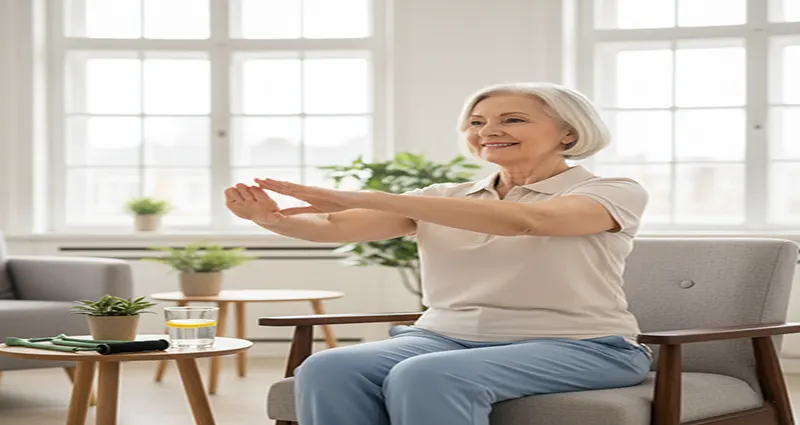
Maintaining an active lifestyle is paramount for health, regardless of age. For seniors, incorporating cardio workouts is vital for heart health, stamina, and mood. However, protecting delicate joints and avoiding injury is equally critical. The solution lies in low-impact cardio workouts that minimize stress while maximizing cardiovascular benefits, providing effective joint support and sustainable fitness.

The Importance of Low-Impact Exercise

High-impact exercises (like running or jumping) place significant force on the joints—up to seven times your body weight—which can exacerbate conditions like arthritis. Low-impact movements, conversely, keep at least one foot (or another body part) in contact with the ground or are performed in water, dramatically reducing shock. This allows seniors to safely build cardiovascular fitness and stamina without sacrificing joint support.

💧 Aquatic Workouts: The Gold Standard

Water-based exercise is widely considered the best low-impact cardio available.

  • Swimming: Moving through water offers natural resistance, providing a full-body workout
Read more ... “Gentle Movement, Strong Heart: Low-Impact Cardio Workouts for Seniors and Joint Support”
Two-in-One Power: Cardiovascular Fitness Tips for Weight Loss and Stamina

If your goals include shedding pounds and boosting your energy levels, focusing on cardiovascular fitness is the most effective approach. Integrating strategic cardio into your routine provides a powerful two-in-one benefit: it burns calories necessary for weight loss and significantly enhances your stamina (endurance). It’s not just about running longer; it’s about training smarter.

1. Master the Intensity: The Power of HIIT

Traditional, steady-state cardio (like a long, slow jog) burns calories, but High-Intensity Interval Training (HIIT) delivers a superior return on your time investment for both weight loss and stamina.

  • Weight Loss: HIIT creates a significant “afterburn effect” (Excess Post-exercise Oxygen Consumption or EPOC). Your body continues to burn calories at an elevated rate hours after the workout is over, which is crucial for maximizing fat loss.
  • Stamina: The intense effort pushes your heart and lungs to adapt rapidly, increasing your $\text{VO}_2\max$(maximal oxygen uptake). This directly translates into greater
Read more ... “Two-in-One Power: Cardiovascular Fitness Tips for Weight Loss and Stamina”
Turbocharge Your Heart: High-Intensity Interval Training for Cardiovascular Endurance

In the world of fitness, few protocols deliver results as quickly and efficiently as High-Intensity Interval Training (HIIT). This dynamic workout method is defined by alternating short bursts of near-maximal effort with brief periods of recovery. When applied consistently, HIIT is a powerful tool for rapidly boosting cardiovascular endurance and overall cardiorespiratory fitness.

The Science Behind the Sprint

Unlike traditional steady-state cardio (like a long, moderate run), HIIT pushes the body to its limits, primarily engaging the anaerobic energy system, even though the overall goal is aerobic improvement. This intense stress forces the heart and lungs to adapt rapidly.

The major benefit of HIIT, supported by numerous studies, is its superior ability to increase$\text{VO}_2\max$(maximal oxygen uptake). $\text{VO}_2\max$ is the single best measure of cardiovascular endurance—it represents the maximum amount of oxygen your body can use during intense exercise. By improving this metric, HIIT makes your heart more efficient … Read more ... “Turbocharge Your Heart: High-Intensity Interval Training for Cardiovascular Endurance”

Strengthening Your Core: Best Cardio Exercises to Improve Heart Health Naturally

The heart is a muscle, and like any muscle, it thrives on exercise. Engaging in regular cardio exercises is one of the most effective ways to improve heart health naturally, lowering blood pressure, improving cholesterol profiles, and boosting overall circulation. The key is consistent, rhythmic movement that elevates your heart rate.

🚶‍♀️ The Foundation: Moderate-Intensity Aerobics

For most people, the American Heart Association recommends at least 150 minutes per week of moderate-intensity aerobic activity. This level is defined by the “talk test”: you should be able to talk, but not sing, during the activity.

1. Brisk Walking

Often overlooked, brisk walking is perhaps the most accessible and heart-friendly exercise. It’s low-impact, requires no special equipment, and can be easily integrated into your daily routine (e.g., walking during a lunch break or taking the stairs).

  • Benefit: Boosts cardiovascular fitness and is highly effective at lowering blood pressure and cholesterol.
Read more ... “Strengthening Your Core: Best Cardio Exercises to Improve Heart Health Naturally”
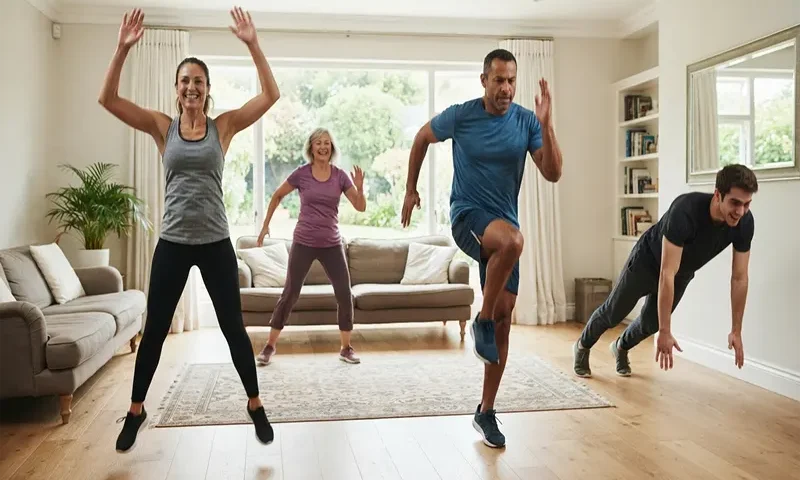
Heart Starter: Beginner-Friendly Cardiovascular Workout Routines at Home

Starting a new fitness journey can be daunting, but achieving better cardiovascular health doesn’t require a gym membership or fancy equipment. You can build excellent beginner-friendly cardiovascular workout routines at home with nothing more than your own body weight and a small amount of space. Consistency, not complexity, is the key to building stamina and improving your heart rate.

⏱️ Setting the Stage: The 20-Minute Routine

For beginners, the goal is to ease your heart into work, focusing on low-impact, continuous movement. A 20-minute routine, performed three to four times a week, is a fantastic starting point.

Warm-Up (3 Minutes)

Never skip your warm-up. This prepares your muscles and slowly raises your heart rate, preventing injury.

  1. Marching in Place: (60 seconds) Gently lift your knees high.
  2. Arm Circles: (60 seconds) Rotate your arms forward and then backward to loosen your shoulders.
  3. Ankle Rolls: (60 seconds) Gently rotate each ankle in
Read more ... “Heart Starter: Beginner-Friendly Cardiovascular Workout Routines at Home”