
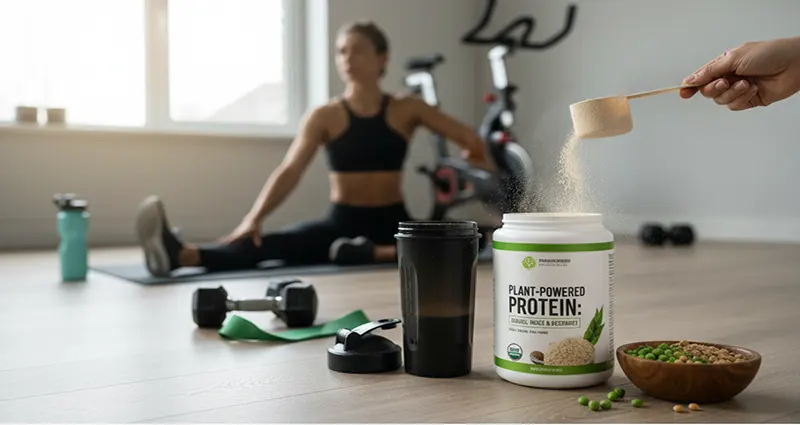
For athletes, fitness enthusiasts, and anyone committed to a healthy, active lifestyle, adequate protein intake is non-negotiable for muscle recovery and growth. While whey protein has long been the gold standard, the landscape of sports nutrition is rapidly evolving, with plant-based protein powder emerging as a powerful, sustainable, and increasingly popular alternative. These innovative supplements offer a complete amino acid profile, promoting optimal muscle repair and hypertrophy without relying on animal products.
Why Plant-Based Protein for Muscles?
The primary role of protein after exercise is to provide the amino acids necessary to repair damaged muscle fibers and synthesize new ones, leading to growth (hypertrophy). Plant-based proteins excel in this capacity for several reasons:
- Complete Amino Acid Profiles: While some individual plant proteins might be “incomplete” on their own (lacking one or more essential amino acids), most high-quality plant-based protein powders are formulated with a blend of different plant sources. Common combinations include pea protein, rice protein, hemp protein, and quinoa protein. This strategic blending ensures a complete amino acid profile, providing all nine essential amino acids crucial for muscle protein synthesis (MPS), just like animal proteins.
- Digestibility and Reduced Bloating: Many individuals experience digestive discomfort, bloating, or sensitivity with dairy-based proteins like whey. Plant-based proteins, particularly those from pea and rice, are often easier to digest, making them a more comfortable option for post-workout recovery, especially for those with lactose intolerance or dairy allergies.
- Alkalizing and Anti-Inflammatory Properties: A diet rich in plant-based foods tends to be more alkalizing and can contribute to a reduction in systemic inflammation. This is beneficial for overall health and can indirectly support faster recovery by reducing post-exercise muscle soreness and accelerating repair processes.
- Rich in Micronutrients and Fiber: Unlike isolated whey protein, many plant-based protein powders retain beneficial micronutrients from their source plants. Some, like hemp protein, also provide a good dose of fiber and healthy fats (Omega-3s), contributing to gut health and overall well-being alongside muscle benefits.
Top Plant-Based Protein Sources
- Pea Protein: Derived from yellow peas, it’s rich in branched-chain amino acids (BCAAs), particularly leucine, which is vital for MPS. It’s highly digestible and has a neutral flavor, making it a popular base.
- Brown Rice Protein: Often paired with pea protein to create a complete profile, rice protein is hypoallergenic and provides a good range of amino acids.
- Hemp Protein: A complete protein, hemp is also a fantastic source of fiber, Omega-3 and Omega-6 fatty acids, and minerals like magnesium and iron.
- Soy Protein: While sometimes debated, non-GMO soy protein is a complete protein source rich in BCAAs and can be highly effective for muscle growth.
Integrating Plant-Based Protein into Your Routine
For optimal muscle recovery and growth, consume your plant-based protein powder within 30-60 minutes post-workout. Mix it with water, plant-based milk, or blend it into a smoothie with fruits and vegetables for an added nutrient boost.
Choosing plant-based protein powder is not just an ethical or environmental decision; it’s a performance-driven choice that provides your muscles with everything they need to repair, grow, and thrive, all while supporting your overall health goals.

