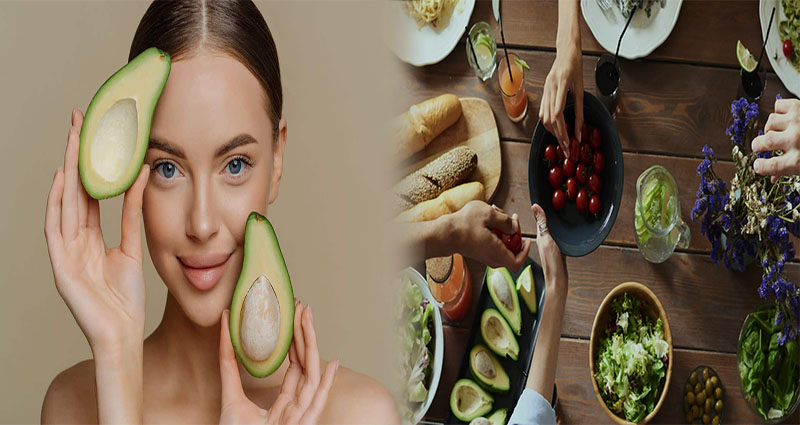
Tips for Developing Healthy Eating Habits for Weight Loss

Developing healthy eating habits is crucial for achieving and maintaining weight loss. Here are some key tips to help you establish a sustainable, nutritious, and balanced approach to eating.

1. Focus on Whole Foods

  • Emphasize whole foods such as fruits, vegetables, whole grains, lean proteins, and healthy fats. These foods are nutrient-dense and can help you feel satisfied and energized.

2. Portion Control

  • Be mindful of portion sizes to avoid overeating. Using smaller plates and bowls can help control portion sizes and prevent overconsumption.

3. Hydration

  • Drink plenty of water throughout the day. Sometimes, feelings of hunger can actually be signs of dehydration. Staying hydrated also supports digestion and helps with weight management.

4. Balanced Meals

  • Aim for balanced meals that include a good mix of carbohydrates, proteins, and healthy fats. This balance can help stabilize blood sugar levels and reduce cravings.

5. Mindful Eating

  • Practice mindful eating by paying
Read more ... “Tips for Developing Healthy Eating Habits for Weight Loss”
Top Supplements to Consider in a Skin Care Diet Plan

Maintaining healthy and radiant skin goes beyond just skincare products and topical treatments. A well-rounded approach to skin care also involves considering dietary factors and the potential benefits of incorporating certain supplements into your routine. Along with a balanced diet focused on skin health, these supplements can provide added support for nourishing and maintaining your skin. Here are some of the top supplements to consider for inclusion in a skin care diet plan:

1. Collagen

Collagen is a protein that provides structure to the skin and helps maintain its elasticity and firmness. As we age, our natural collagen production decreases, leading to the development of wrinkles and sagging skin. Supplementing with collagen peptides or hydrolyzed collagen can help support skin health and reduce the visible signs of aging.

2. Omega-3 Fatty Acids

Omega-3 fatty acids, commonly found in fish oil supplements, have anti-inflammatory properties that can benefit the skin by … Read more ... “Top Supplements to Consider in a Skin Care Diet Plan”

Easy Meal Ideas for a Skin Care Diet Plan Focused on Hydration

Proper hydration is essential for maintaining healthy, glowing skin. Along with using hydrating skincare products, incorporating foods with high water content into your diet can further support skin hydration from the inside out. By including hydrating foods in your meal plan, you can promote skin moisture, elasticity, and overall wellbeing. Here are some easy meal ideas to help you stay hydrated and nourish your skin:

1. Cucumber and Avocado Salad

  • Ingredients: Sliced cucumbers, cherry tomatoes, diced avocado, mixed greens.
  • Dressing: Lemon juice, olive oil, salt, and pepper.
  • Instructions: Toss all the ingredients together with the dressing for a refreshing and hydrating salad rich in healthy fats and antioxidants.

2. Watermelon and Feta Salad

  • Ingredients: Cubed watermelon, crumbled feta cheese, fresh mint leaves.
  • Dressing: Balsamic glaze, olive oil.
  • Instructions: Combine the watermelon, feta, and mint leaves in a bowl, drizzle with the dressing, and enjoy
Read more ... “Easy Meal Ideas for a Skin Care Diet Plan Focused on Hydration”
Nutrient-Rich Skin Care Diet Plan for Anti-Aging Benefits

As we age, our skin naturally undergoes transformations that can lead to the formation of wrinkles, fine lines, and a loss of elasticity. While there are numerous anti-aging skincare products and treatments available on the market, the importance of a nutrient-rich diet in achieving youthful, radiant skin cannot be overstated. A diet plan focused on skin health and anti-aging benefits can play a crucial role in maintaining a youthful appearance and promoting overall well-being.

The Role of Nutrition in Anti-Aging Skincare

Evidence suggests that certain nutrients have the potential to enhance the skin’s health and delay the signs of aging. Antioxidants such as vitamins A, C, and E, as well as phytonutrients like polyphenols and carotenoids, can protect the skin from damage caused by harmful free radicals. Additionally, essential fatty acids, particularly omega-3 and omega-6, play a vital role in maintaining skin integrity and moisture levels.

Designing a Nutrient-Rich Diet

Read more ... “Nutrient-Rich Skin Care Diet Plan for Anti-Aging Benefits”
How to Create a Skin Care Diet Plan for Acne Prevention

Acne is a common skin condition that can be influenced by various factors, including diet. While there is no one-size-fits-all approach to preventing acne through diet, creating a skin care diet plan that emphasizes certain foods and nutrients can contribute to improved skin health and a reduction in acne breakouts. By focusing on specific dietary choices, individuals can develop a skin care diet plan tailored to acne prevention.

Understanding the Impact of Diet on Acne

The link between diet and acne is a subject of ongoing research, and certain dietary factors have been identified as potential contributors to acne development. High-glycemic foods, dairy products, and certain types of fats have been implicated in aggravating acne, while other nutrients and dietary patterns have shown promise in supporting clearer skin.

Emphasizing Low-Glycemic Foods

Incorporating low-glycemic foods into a skin care diet plan is a key aspect of acne prevention. Low-glycemic foods, such … Read more ... “How to Create a Skin Care Diet Plan for Acne Prevention”