
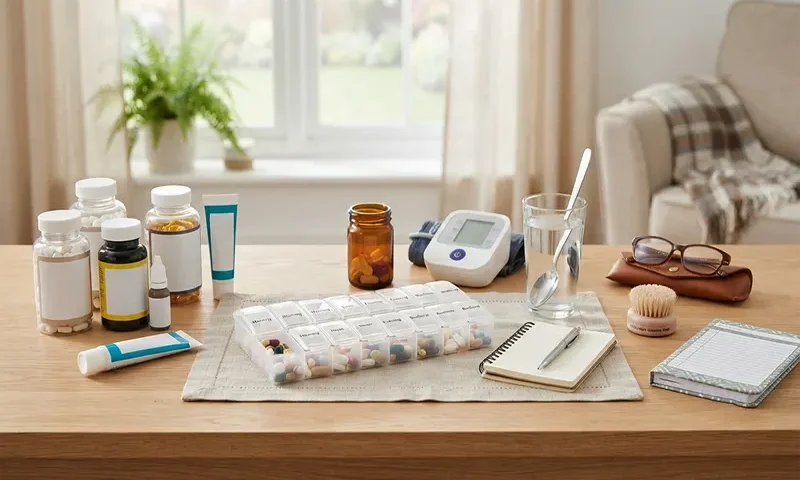
Navigating the Complexities of Senior Medication Care
Managing the complex, often stressful reality of daily medications for aging loved ones can feel like an overwhelming responsibility. If you have ever stared at a dozen different prescription bottles, worried over missed doses, or stressed about confusing schedules, you know how crucial it is to bring order to the chaos.
The core physiological challenge is that aging bodies process pharmaceuticals differently, and maintaining strict, flawless adherence is critical to managing chronic conditions, preventing adverse drug interactions, and ensuring senior safety. The fundamental premise to embrace is simple: managing senior healthcare at home does not have to be chaotic; utilizing smart medicine health products and intuitive organizing systems brings safety, clarity, and peace of mind to elderly care.
“True peace of mind in elderly care comes from proactive organization. By replacing chaotic bottles with intuitive dispensing systems, you protect your loved one’s health and independence.”
The Science of Medication Adherence and Senior Safety
To understand why structured organization is vital for seniors, we must look at how cognitive changes, natural memory lapses, and complex multi-drug regimens impact compliance. When medication schedules become confusing, missed or duplicate doses happen easily, leading to preventable health complications and hospitalizations.
Systematic organization and reliable dispensing tools bridge this gap, supporting cognitive ease, reducing caregiver stress, and fostering safe independent living.
Top 5 Essential Products and Organizers for Elderly Medication Care
Equipping a senior’s home or a caregiver’s toolkit with the right products revolutionizes daily medication management. Here are five essential product categories:
1. AM/PM Multi-Compartment Pill Organizers
- Weekly and Monthly Sorting Boxes: Utilize large, color-coded AM/PM compartment boxes that allow caregivers or seniors to sort pills a week in advance.
- Tactical and Visual Markers: Look for organizers featuring high-contrast lettering, braille indicators, or tactile bumps designed specifically for seniors with low vision.
2. Smart Automated Pill Dispensers with Alarms
- Digital Reminders: Advanced automatic dispensers use flashing lights and loud audio alarms to signal exactly when a dose is due.
- Locking Mechanisms: These units lock unneeded compartments, preventing accidental double-dosing or over-medication by seniors with cognitive decline.
3. Magnifying Pill Splitters and Crushers
- Safe Medication Splitting: Equip your kit with a magnifying pill splitter that features a protective shield to ensure exact, even halves for difficult tablets.
- Ergonomic Crushers: Provide easy-to-twist ceramic or stainless-steel pill crushers for seniors who struggle with swallowing whole pills.
4. Portable Travel Medication Cases
- Secure Locking Mechanisms: Compact travel cases with secure, snap-shut closures prevent pills from spilling out in purses or luggage.
- Moisture-Resistant Seals: Protect sensitive medications from humidity and heat while on the go.
5. Medication Logs and Digital Tracking Apps
- Large-Print Paper Charts: Keep a clear, oversized medication log pinned to the refrigerator as a reliable manual backup.
- Caregiver Sync Apps: Utilize smartphone apps that notify family members if a dose has been marked as missed.
Designing a Streamlined Caregiver Medication Routine
Consistency and routine maintenance are the bedrock of effective elderly care. Utilize this structured weekly workflow:
| Operational Step | Execution & Caregiver Best Practices |
| Weekly Audit & Refill | Set aside 30 minutes every Sunday to review prescriptions and fill the AM/PM organizers for the week. |
| Verification Check | Double-check pill counts against pharmacy labels to ensure accurate dosing quantities. |
| Placement Strategy | Keep daily organizers in a well-lit, easily accessible location (never store medications in humid bathrooms). |
| Emergency Contact List | Keep poison control, pharmacy, and primary physician phone numbers clearly posted beside the medication station. |
Establish a calm, distraction-free environment during daily dosing times to ensure focus and safety.
Common Pitfalls and Safety Mistakes to Avoid
- Storing Medications in Humid Bathrooms: Keeping medicine cabinets in steam-filled bathrooms degrades chemical compounds and causes pills to deteriorate rapidly.
- Leaving Organizers Within Reach: Failing to keep automated dispensers or pill boxes out of reach of visiting young grandchildren or household pets.
- Relying on Memory: Trusting memory instead of using physical organizers or alarms, which invariably leads to missed or mistimed doses.
Safeguarding your aging loved one’s health doesn’t require a stressful, disorganized daily struggle. By investing in smart daily medicine health products—including multi-compartment organizers, automated dispensers, pill splitters, travel cases, and clear tracking logs—you can ensure absolute safety and adherence. Adopt a compassionate, organized approach, maintain your weekly routines, and enjoy total peace of mind in elderly care.

